
PANEL DISCUSSION
Daniel Frering, Icahn School of Medicine at Mount Sinai | Mariana Figueiro, Mark Rea, and Jennifer Brons, Light and Health Research Center, Mount Sinai School of Medicine
Location: Gramercy
TuesdayMarch 19, 2024
8:30 am - 10:00 am ET
Credits 1.5 LU | HSW
Intermediate
Lighting isn’t just for vision anymore. The lighting design process to address the non-visual effects of light can seem like a complex and complicated struggle, navigating the various metrics and balancing these with traditional lighting design objectives and standards. This presentation will cut though the complexities and focus on two non-visual design objectives, circadian-effective lighting and alertness. Based on results from laboratory and field research, the presenters will discuss various strategies they have used that might assist specifiers in generating attractive, cost-effective, energy-efficient lighting designs that support visual as well as non-visual design objectives.
Learning Objectives
- Articulate the similarities and differences between various non-visual design metrics.
- Define the elemental concepts underlying circadian-effective lighting and alertness and how they interact with traditional lighting design.
- Apply new lighting design strategies that can address both circadian-effective lighting and alertness while meeting traditional lighting design standards.
- Employ a non-visual effects vocabulary for discussing lighting design objectives with clients.
Speakers
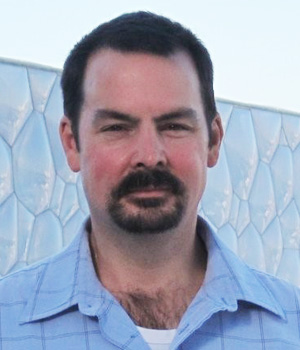
Daniel Frering
Director, Educational Programs
Icahn School of Medicine at Mount Sinai
Dan Frering has over 35 years of experience in education, educational administration, and education program and curriculum development, including 25 years of experience focused on education in lighting. Dan has developed educational programs for the Federal Highway Administration (FHWA), The Northwest Energy Efficiency Alliance, the United Nations Industrial Development Organization (UNIDO) and others. Currently, he is the director of educational programs for the Light and Health Research Center (LHRC) at Mount Sinai. Previous to joining the LHRC, Dan served for 24 years as the director of educational programs for the Lighting Research Center at Rensselaer Polytechnic Institute. Dan has specialized experience in curriculum and educational program development, workforce training development, and online education program development in the field of lighting. Mr. Frering is a Council Member for National Council on Qualifications for the Lighting Professions (NCQLP).
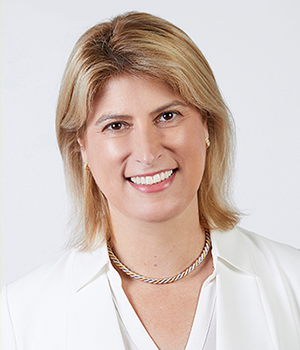
Mariana Figueiro
Professor and Director
Light and Health Research Center at Mount Sinai
Mariana G. Figueiro, PhD, is a Mount Sinai Professor of Light and Health Research and the Director of the Light and Health Research Center in the Department of Population Health Science and Policy at the Icahn School of Medicine at Mount Sinai. She is well known for her research on the effects of light on human health, sustainability, circadian photobiology, and lighting for older adults.
In addition to performing basic research investigating the impact of light on physiology, Dr. Figueiro conducts field studies examining the impact of circadian-effective lighting in office spaces and works in nursing homes and assisted living facilities to use light to improve sleep, mood, and behavior in Alzheimer’s disease and mild cognitive impairment patients. Most recently, she has been working with Mount Sinai physicians to improve the lives of those undergoing cancer treatments and who are suffering from Parkinson’s disease and other neurological diseases. She is also field-testing novel lighting systems to reduce falls.
Dr. Figueiro is a Fellow of the Illuminating Engineering Society (FIES) and the author of more than 140 scientific articles in her field of research. She has brought attention to the significance of light and health as a topic of public interest through her TEDMED talk.

Mark Rea
Professor
Light and Health Research Center, Mount Sinai School of Medicine
Mark S. Rea, PhD, is a professor at the Light and Health Research Center and an expert in human vision, lighting engineering, human factors, photobiology, psychology, and light and health. He is the author of more than 100 scientific and technical articles related to vision, lighting engineering, and human factors and was the editor-in-chief of the 8th and 9th editions of the IESNA Lighting Handbook. His current research projects include the development of new metrics to improve the acceptance of energy-efficient lighting technologies, the study of the effects of light on circadian disruption, and research on reducing the market barriers to widespread use of energy-efficient lighting. Dr. Rea has conducted groundbreaking research in the areas of human visual performance, visual efficacy at nighttime light levels, and light and human health.

Jennifer Brons
Program Director
Light and Health Research Center, Mount Sinai School of Medicine
Jennifer Brons earned her bachelor’s degree in architecture from the University of California- Berkeley (cum laude) and her MS in Lighting from Rensselaer Polytechnic Institute. Since 1997, her work has focused on lighting design applications and human factor studies for new lighting technologies. Over her more than 20-year career, Ms. Brons has developed lighting designs and specifications for a wide variety of commercial and residential clients. After practicing lighting design on sabbatical in London, she taught lighting design as part of the MS in Lighting degree program at Rensselaer Polytechnic Institute for more than 10 years. In addition to her design and research activities, she develops educational material about the more effective use of light.