
June Park, Pratt Institute
Location: Nassau
Thursday, April 15, 2027
9:00 am – 10:00 am ET
Credits TBA
Intermediate
Light shapes how we feel, perceive, and connect to space, but that experience is never static. As daylight shifts, activities change, and people move through the day, the atmosphere a space needs changes with them. This presentation considers emotion and time as inseparable parts of lighting design, with intensity, color, behavior, and use evolving together. Through residential and hospitality examples, it explores how lighting intent can remain present from concept through everyday experience, and how thoughtful control design can support that continuity—making lighting feel intuitive, responsive, and emotionally connected rather than reduced to simple on/off or dimming functions.
Knowledge of the overall lighting design and lighting control design process is recommended.
Learning Objectives
- Identify how time, activity, intensity, and color influence the emotional experience of architectural lighting.
- Evaluate how lighting controls can help preserve design intent as spaces, activities, and user needs change over time.
- Recognize where lighting design intent can be lost between concept, control strategy, programming, and final user experience.
- Apply user-centered control principles to create lighting experiences that feel intuitive, adaptable, and consistent with the original design concept.
Speaker
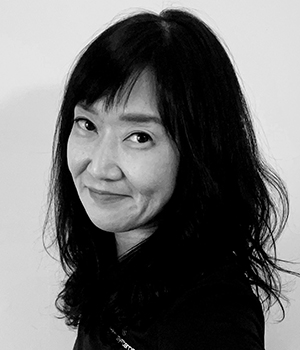
June Park
Lighting Designer
Pratt Institute
June Park is an architectural lighting designer & lighting educator with over 15 years of professional experience in the U.S. and internationally, working across corporate offices, hospitality, high-end retail, hotels, and multi-family residential projects. She also teaches Lighting Design in the BFA and MFA Interior Design programs at Pratt Institute. With a background in interior design, her work focuses on how light, material, and color interact to shape spatial perception and human experience.